How to Build a Niche Perfume Collection Using Scent Layering (That Actually Works)

You know that feeling when someone walks past you and their scent just stops you? You don’t know the fragrance. You can’t name it. But you remember it. That’s not luck that’s intention. And it’s exactly what a well-layered niche perfume collection does.
Niche perfume collection searches are up over 500% on Pinterest and scent layering is the technique driving most of that interest. People have figured out that the right combination of two fragrances creates something no single bottle can: a scent that’s completely, quietly, yours.
This guide covers what scent layering actually is, how to do it correctly, and which perfume layering combinations are genuinely worth trying based on how fragrance chemistry works, not just aesthetics.
What Is a Niche Perfume Collection And Why It Matters
Niche perfumes come from independent fragrance houses that prioritize ingredient quality and creative vision over mass-market appeal. Unlike designer or celebrity fragrances, niche houses aren’t optimizing for the widest possible audience which means the results tend to be more complex, more distinctive, and longer-lasting on skin.
Brands like Le Labo, Byredo, Diptyque, Amouage, Maison Margiela Replica, and Serge Lutens sit in this category. What they share is a focus on raw material quality, unusual accords, and fragrances that develop differently depending on the wearer’s skin.
That last point matters for layering because niche fragrances, by design, tend to have more distinct “characters” that interact in interesting ways when combined.
A niche perfume collection doesn’t mean owning twenty bottles. It means owning a few intentional ones chosen to work alone and together giving you more range with less clutter.
How Scent Layering Works: The Basics
Scent layering is the practice of wearing two fragrances simultaneously, applied in a specific sequence so they blend on skin rather than compete with each other.
It’s not a new concept. Middle Eastern fragrance traditions have combined oud, rose, and amber for centuries. What’s changed is wider access to niche fragrances and a growing understanding of how to do it deliberately.
Fragrance Families Know These First
Every perfume belongs to a scent family. Layering works best when you pair complementary families, not identical ones contrast creates interest, sameness creates muddiness.
| Family | Common Notes |
|---|---|
| Floral | Rose, jasmine, peony, ylang-ylang |
| Oriental / Amber | Vanilla, amber, incense, benzoin, musk |
| Woody | Sandalwood, cedarwood, oud, vetiver, patchouli |
| Fresh / Citrus | Bergamot, neroli, green tea, grapefruit |
| Gourmand | Tonka bean, honey, caramel, coffee |
| Aquatic | Sea salt, driftwood, ozonic notes |
Proven pairings that fragrance professionals return to repeatedly: Woody + Floral, Oriental + Fresh, Gourmand + Woody. These work because the contrasting families balance each other one adds warmth or depth, the other adds lift or brightness.
Application Order Matters
Apply the heavier, base-note-dominant fragrance first. Wait 30–60 seconds for initial alcohol evaporation. Then apply the lighter, top-note-forward fragrance on top.
The reason: heavier fragrances (oud, amber, sandalwood) have lower volatility they don’t project as much initially but last longer. Lighter fragrances (citrus, fresh, some florals) have high volatility strong opening but fade faster. Layering them in the correct order means you get the freshness upfront and the depth underneath as a foundation.
Apply to pulse points wrists, neck, inner elbows. Do not rub wrists together after application; friction breaks down top notes prematurely.
One spray of each is usually sufficient when layering. More doesn’t mean better it means louder, and with two fragrances, loud gets complicated fast.
5 Perfume Layering Combinations Worth Trying
These combinations are grounded in how the fragrance families interact not just how they sound on paper.
1. Rose + Oud

Why it works: Oud is resinous and animalic it has natural depth and projection, but can read as dark or heavy on its own. Rose brings a softer, floral lift that balances oud’s intensity without erasing it. This combination has been a foundational pairing in Arabic perfumery for a reason: the two notes genuinely complement each other’s chemistry.
Note: Rose quality matters here. A thin, synthetic rose will clash rather than blend. Look for rose-forward fragrances with some natural rose or rose absolute listed in the composition.
Starting point: Tom Ford Oud Wood (base) + Maison Margiela Replica Flower Market (top)
2. Sandalwood + Vanilla

Why it works: Both notes are skin-adjacent sandalwood mimics the natural warmth of skin, and vanilla adds a soft sweetness that reads as intimate rather than sugary. Together they create what fragrance reviewers often call a “skin scent” something that enhances rather than announces. Good option for office or close-contact settings where projection needs to be controlled.
Caution: If your vanilla fragrance leans heavily gourmand (cake, caramel), the combination can become overwhelming. Aim for a vanilla that reads as warm and creamy rather than sweet.
Starting point: Le Labo Santal 33 (base) + Byredo Slow Dance (top)
3. Bergamot + White Musk

Why it works: Bergamot has a citrus-floral character it’s brighter and more complex than straight lemon or orange. White musk, used as a base, extends fragrance longevity significantly (musks fix other scents to skin) while adding a clean, slightly powdery depth. This is one of the easiest layering combinations for beginners because both notes are relatively uncomplicated and hard to get wrong.
Starting point: Acqua di Parma Colonia (top) + Juliette Has a Gun Not a Perfume (base)
4. Jasmine + Amber

Why it works: Jasmine is one of the most complex florals it has a natural indolic quality (slightly heady, warm) that pairs exceptionally well with amber’s resinous warmth. The amber base grounds jasmine’s headiness and extends its longevity. The result is a fragrance that develops over hours rather than fading in the first hour.
Note: This is a full-sillage combination it projects. Better suited for evenings or outdoor settings than a small office.
Starting point: Diptyque Do Son (top) + Amouage Memoir (base)
5. Sea Salt + Vetiver

Why it works: Aquatic notes can read as synthetic or thin when worn alone. Vetiver a smoky, earthy root note gives them structure and longevity. The result is something that feels like a coastline: fresh on the surface, grounded underneath. This is an underused combination that earns consistent attention from people who encounter it.
Starting point: Maison Margiela Replica Beach Walk (top) + Encre Noire by Lalique (base)
Building Your Signature Scent: A Practical Method
There’s something deeply personal about fragrance it’s the only sense tied directly to memory and emotion in the brain. The scent you wear regularly becomes part of how people remember you. That’s worth being intentional about.
A signature scent in 2026 doesn’t have to mean one bottle you wear every day. It can mean a layering system two or three fragrances that you combine in slightly different ways depending on context.
Here’s a method that actually works:
Step 1 — Anchor first. Choose one fragrance that feels like your baseline self. Something with good longevity (woody, oriental, or musky base). This becomes your foundation layer in most combinations.
Step 2 — Add contrast. Find one fragrance that contrasts your anchor in family but complements it in mood. If your anchor is warm and dark, go fresh or green. If your anchor is light and clean, go warm and resinous.
Step 3 — Test for a full week, not an afternoon. Skin chemistry, humidity, and even what you’ve eaten affect how fragrance develops. A combination that reads oddly in the first hour may settle beautifully by mid-afternoon. Give each pairing at least 3–4 full wears before deciding.
Step 4 — Keep notes. A simple phone note with what you wore, where, and how you felt in it is enough. Patterns emerge quickly you’ll start to see which combinations suit certain moods, seasons, or settings.
Shopping a Niche Collection Without Overspending
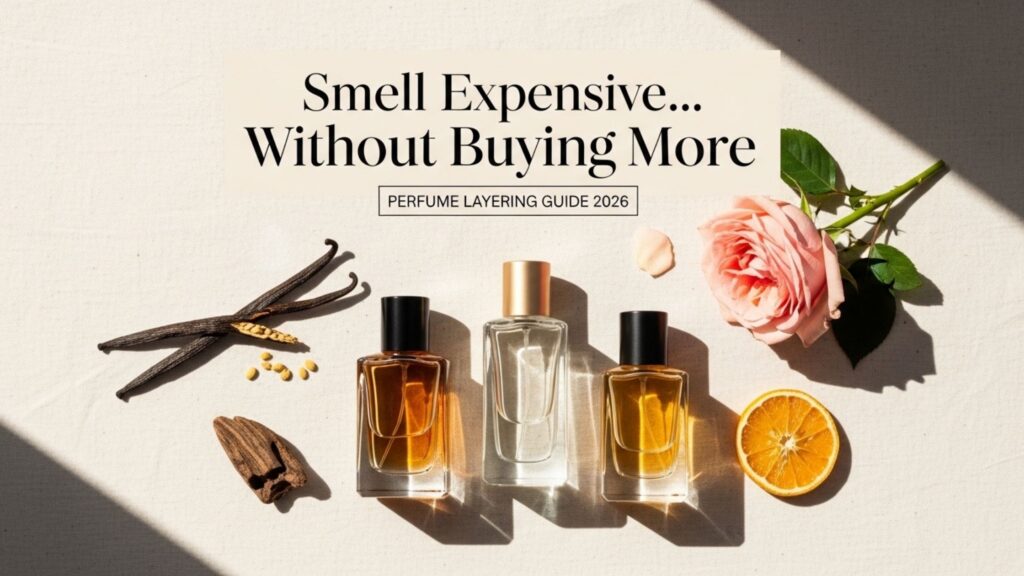
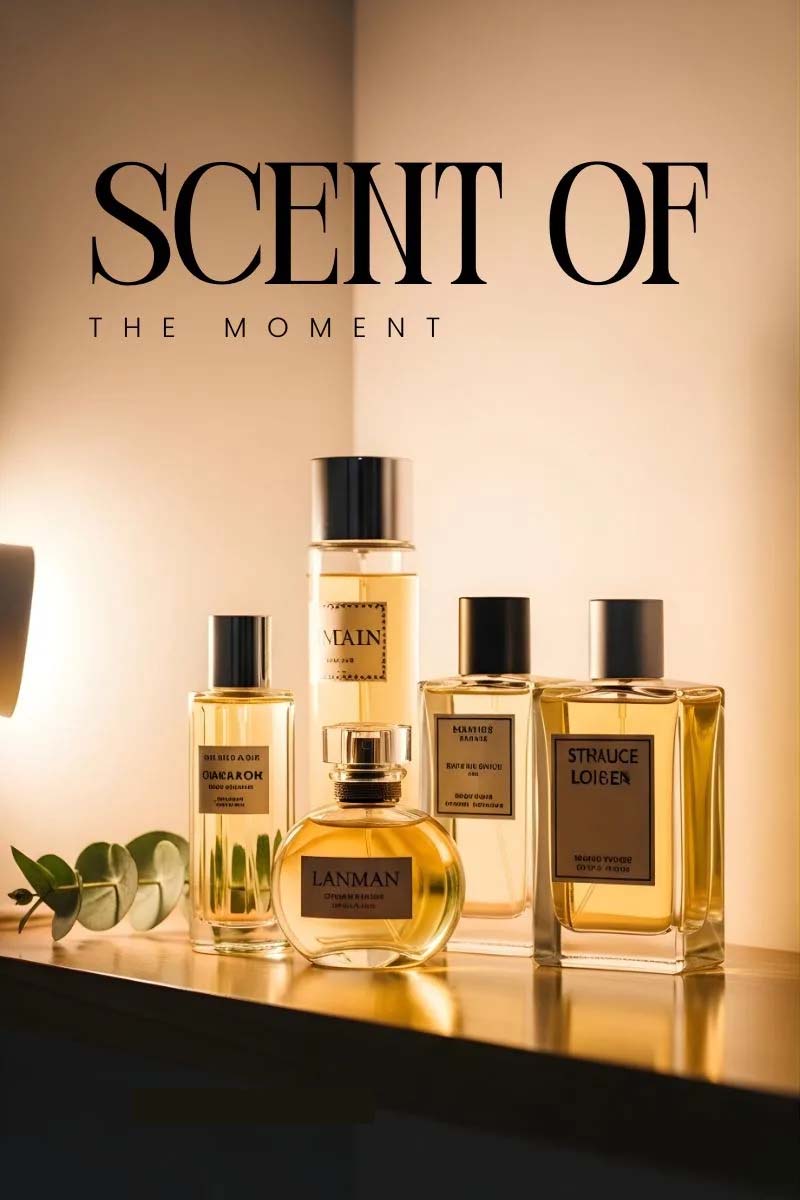
Pinterest boards around niche fragrance are full of beautiful flat lays amber glass bottles, linen surfaces, soft light. What they don’t always show is the research that goes into choosing those bottles. Niche fragrances are expensive, and blind-buying full bottles is an easy way to waste money. A few practical approaches:
Use decants. Active communities on Reddit (r/fragrance), Basenotes, and fragrance-specific Instagram accounts regularly sell decants 5ml to 15ml samples from full bottles. A 10ml decant gives you enough to wear a fragrance 15–20 times before committing.
Buy brand sample sets first. Most niche houses sell official discovery sets at $30–$60. Le Labo, Byredo, Diptyque, and Maison Margiela all offer them. Wearing a fragrance on your own skin in your own environment is the only reliable test blotter strips at counters don’t reflect how something actually wears.
Prioritize versatility. When building a small collection, choose fragrances that can function as both a standalone and a layering base or top. A good sandalwood or musk can anchor multiple combinations. A sharp citrus can lift multiple base fragrances. Versatile pieces stretch the collection further.
Quick-Reference: Scent Layering Cheat Sheet
| Base Layer (apply first) | Top Layer (apply second) | Result |
|---|---|---|
| Oud | Rose | Rich, classic depth |
| Sandalwood | Vanilla | Warm skin scent |
| White Musk | Bergamot | Clean, lasting freshness |
| Amber | Jasmine | Bold floral with longevity |
| Vetiver | Sea Salt / Aquatic | Earthy coastal contrast |
Frequently Asked Questions
Can I layer fragrances from different brands? Yes and this is actually how most scent layering is done. There’s no rule that combinations have to come from the same house. Focus on fragrance families and notes, not brand compatibility.
Will layering make my fragrance last longer? Often, yes. Pairing a high-longevity base (musk, amber, oud) with a lighter top layer means the base continues projecting after the top notes have faded, extending the overall scent experience significantly.
Is scent layering only for niche perfumes? No. The technique works with any fragrance. Niche perfumes tend to have more distinct, high-quality notes that make layering more interesting but the same principles apply to mid-range or even drugstore fragrances.
How do I know if two fragrances will clash? The safest approach is to test on skin before committing to a combination in public. Fragrances from very similar families (e.g., two heavy orientals) are more likely to compete than complement. When in doubt, pair a complex fragrance with a simpler one rather than two complex ones against each other.
How many fragrances should a beginner’s niche collection have? Three to five is a practical starting point: one reliable everyday base, one fresh option for warmer months, one richer option for evenings or cooler weather. These three can generate six or more distinct layering combinations.
Related searches: niche perfume collection 2026 | scent layering guide | perfume layering combinations | how to build a signature scent | best fragrances for layering | niche fragrance houses